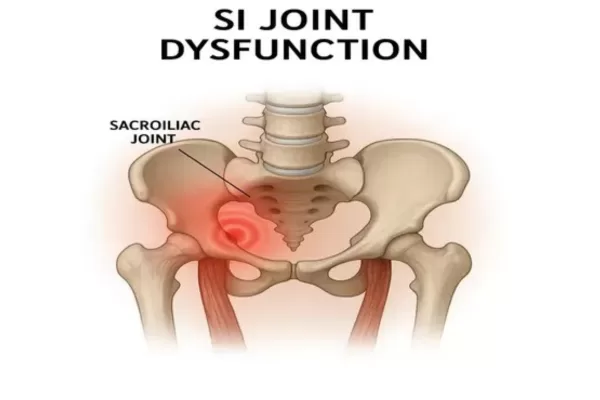
What Is SI Joint Dysfunction?
SI joint pain treatment focuses on relieving discomfort and restoring function in the sacroiliac joints, which connect the spine to the pelvis. This condition often results from inflammation or irritation caused by injury, arthritis, pregnancy, or repetitive stress.
How Severe Can SI Joint Pain Get? (Understanding Your SI Joint Pain Treatment Needs)
The severity of SI joint pain varies. For some, it is mild discomfort, while for others, it causes significant pain that affects daily life. The impact depends on factors such as the underlying cause, symptom duration, and individual pain tolerance.
Mild Stage
- Occasional discomfort or mild pain in the lower back or buttocks.
- Symptoms are infrequent and generally do not affect daily activities.
Treatment:
- Maintain good posture and avoid activities that worsen symptoms.
- Begin gentle stretching and strengthening exercises.
- Use NSAIDs if needed and consider a supportive brace.
Moderate Stage
- Pain becomes more frequent and noticeable in the SI joint area.
- It may spread into hips or thighs, affecting mobility.
- Stiffness and difficulty with certain movements may appear.
Treatment:
- Structured physiotherapy focusing on exercises that improve joint stability.
- Manual therapy, such as joint mobilizations, to reduce pain and improve flexibility.
- Modify activities to reduce discomfort while gradually increasing tolerance.
Severe Stage
- Intense, persistent pain in the lower back, buttocks, and possibly radiating down the legs.
- Pain may prevent walking, standing, or sitting for long periods.
- Muscle spasms and movement restrictions may occur.
Treatment:
- Comprehensive evaluation to determine causes and severity.
- Advanced SI joint pain treatment options may include radiofrequency ablation or SI joint fusion surgery.
- Always maintain communication with your healthcare provider and follow your treatment plan.
Can I Avoid Surgery?
In many cases, surgery is not necessary. Conservative SI joint pain treatment options are often effective. Physical therapy, medications, and lifestyle changes can reduce pain and improve joint function. These approaches help restore mobility without surgical intervention.
Physiotherapist’s Approach to SI Joint Pain Treatment
Assessment:
- Review medical history to understand symptom onset, duration, and progression.
- Conduct a physical exam to check range of motion, muscle strength, reflexes, and sensation.
- Perform special tests to reproduce symptoms and find tender or dysfunctional areas.
- If needed, review imaging like X-rays or MRI scans.
Treatment Plan:
- Manual Therapy: Hands-on techniques to improve joint mobility and reduce pain.
- Exercise Prescription: Targeted exercises to strengthen muscles around the SI joint.
- Stretching: Gentle stretches to improve flexibility and reduce stiffness.
- Postural Correction: Guidance on proper posture and body mechanics.
- Modalities: Use of heat, ice, or ultrasound to reduce pain and inflammation.
Physiotherapists also provide long-term strategies to maintain joint health and prevent future flare-ups.
How Physiotherapy Supports SI Joint Pain Treatment
Physiotherapy plays a key role in SI joint pain treatment by:
- Relieving Pain: Reducing inflammation and irritation in the sacroiliac joint.
- Improving Function: Enhancing joint mobility and stability through structured exercises.
- Preventing Future Problems: Teaching correct movement patterns and posture to minimize stress on the joint.
Is Surgery Recommended?
Surgery for SI joint pain treatment is only considered when conservative therapies fail. Most individuals find significant relief through physiotherapy, exercise, and postural correction before surgery becomes necessary.r, most people find relief with physiotherapy and lifestyle adjustments.
References:
FAQs
What causes SI joint dysfunction?
SI joint dysfunction can result from various factors such as injury, arthritis, pregnancy, repetitive strain, or imbalanced movement patterns.
How long until I feel better?
The timeline for improvement varies. With appropriate treatment and management, relief can often be experienced within weeks to months, depending on the severity and individual response to treatment.
Can I continue my usual activities?
In most cases, yes. It’s important to adjust activities that exacerbate symptoms and gradually resume normal activities as pain subsides and function improves.
Do I need to modify my exercise routine?
Yes, your physiotherapist may recommend specific exercises to strengthen muscles supporting the SI joint and suggest modifications to avoid activities that strain the joint. These adjustments help prevent symptom aggravation.
How can I prevent symptoms from recurring?
To prevent recurrence, maintain good posture, practice proper body mechanics, adhere to prescribed exercises for muscle strengthening, avoid repetitive movements that stress the SI joint, and stay physically active while maintaining a healthy weight.
Is SI joint dysfunction common?
Yes, SI joint dysfunction is frequently seen, especially in individuals who regularly perform repetitive or strenuous activities.
Can SI joint dysfunction cause pain in other parts of the body?
Yes, SI joint dysfunction can sometimes result in pain that extends to areas such as the lower back, buttocks, hips, and occasionally down the legs. This is known as referred pain.
If you suspect SI joint dysfunction or have been diagnosed, consulting with a physiotherapist or healthcare provider is essential. They can provide personalized treatment plans and management strategies tailored to your specific symptoms and needs.