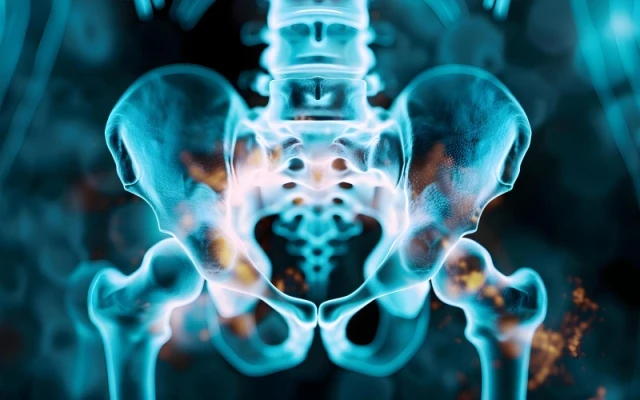
Sacroiliitis therapy involves targeted treatments such as physiotherapy, exercises, lifestyle adjustments, medications, and sometimes injections to relieve SI joint pain, improve mobility, and enhance daily function. Sacroiliitis is inflammation of one or both sacroiliac (SI) joints, located where the spine meets the pelvis, causing discomfort in the lower back, buttocks, and legs. Early intervention with sacroiliitis therapy can prevent worsening symptoms and support long-term joint health.
Understanding Sacroiliitis and Its Severity
The severity of sacroiliitis varies and can impact daily activities. It progresses through stages:
Early Stage:
- Mild to moderate discomfort in the lower back, buttocks, or hips
- Sporadic symptoms with minimal disruption to daily life
- Imaging shows mild inflammation
Moderate Stage:
- More frequent pain and stiffness, sometimes extending to thighs or groin
- Activities like sitting, standing, or walking become challenging
- Imaging reveals increased inflammation and structural changes
Severe Stage:
- Intense, persistent pain and limited mobility
- Stiffness, muscle spasms, and functional limitations
- Imaging indicates pronounced inflammation or joint damage
Early diagnosis and effective sacroiliitis therapy are crucial to prevent worsening symptoms and preserve joint function.
Can I Avoid Surgery with Sacroiliitis Therapy?
In most cases, conservative sacroiliitis therapy is sufficient. Treatment focuses on:
- Pain relief and inflammation reduction
- Improved joint mobility
- Core strengthening and stabilization exercises
Surgery is only considered if conservative measures fail.
How a Physiotherapist Approaches Sacroiliitis Therapy
Assessment
- History Taking: Evaluating pain location, severity, and triggers
- Physical Examination: Range of motion tests, palpation, posture analysis
- Functional Assessment: Observing daily activity limitations
- Special Tests & Imaging Review: Confirming diagnosis and guiding treatment
- Collaborative Goal Setting: Creating a personalized plan
Treatment Strategy
- Manual Therapy: Joint mobilization, soft tissue massage, stretching
- Exercise Prescription: Core strengthening, pelvic stabilization, targeted stretches
- Education & Self-Management: Posture, ergonomics, body mechanics
- Modalities: Heat, ice, ultrasound, or electrical stimulation as needed
The physiotherapist continuously monitors progress and adjusts therapy for optimal results.
Benefits of Sacroiliitis Therapy
- Pain Management: Reduces discomfort and inflammation
- Improved Function: Enhances mobility, stability, and daily activity performance
- Prevention: Educates patients on symptom management and flare-up prevention
When Is Surgery Recommended?
Surgery is only considered if conservative sacroiliitis therapy fails. Options may include joint stabilization or fusion procedures.
Conclusion
Effective sacroiliitis therapy can relieve SI joint pain, restore mobility, and improve quality of life without surgery. Early intervention, personalized physiotherapy, and consistent self-management are key to long-term relief..
References
- Mayo Clinic. (n.d.). Sacroiliitis. Retrieved from https://www.mayoclinic.org
- National Health Service (NHS) UK. (n.d.). Sacroiliac Joint Pain. Retrieved from
https://www.nhs.uk/conditions/sacroiliac-joint-pain - World Health Organization (WHO). (n.d.). Musculoskeletal Conditions. Retrieved from https://www.who.int/news-room/fact-sheets/detail/musculoskeletal-conditions
FAQs
What causes sacroiliitis?
Sacroiliitis typically stems from inflammation in the sacroiliac joints, often due to conditions like arthritis, infection, injury, or changes during pregnancy.
What are the symptoms of sacroiliitis?
Symptoms include pain and stiffness in the lower back, buttocks, and hips, aggravated by prolonged sitting, standing, or walking. Some may experience leg pain as well.
Can sacroiliitis be cured?
Sacroiliitis is managed rather than cured. Treatment focuses on reducing pain, inflammation, and improving joint function to enhance quality of life.
What treatments are available?
Treatments include medications (NSAIDs, corticosteroids), physical therapy to strengthen muscles and improve mobility, lifestyle adjustments, and possibly injections or surgery for severe cases.
Is sacroiliitis progressive?
It can worsen over time without proper management. Early diagnosis and treatment are crucial to prevent progression and manage symptoms effectively.
How long does recovery take?
Recovery time varies. Some find relief within weeks to months with treatment, while others may need ongoing management for long-term symptom control.
What lifestyle changes help manage sacroiliitis?
Maintaining a healthy weight, practicing good posture, wearing supportive shoes, avoiding prolonged sitting or standing, and staying active with regular exercise can all help manage symptoms and promote joint health.
Is sacroiliitis the same as lower back pain?
Sacroiliitis involves inflammation of the sacroiliac joints, which can cause lower back pain along with discomfort in the buttocks and hips. It’s distinct from general lower back pain.
Can sacroiliitis cause symptoms similar to sciatica?
Yes, sacroiliitis can sometimes result in pain radiating down the legs, resembling sciatica. This occurs when inflammation affects nearby nerves.
How do medications help treat sacroiliitis?
Medications like NSAIDs or corticosteroids are used to reduce inflammation and alleviate pain associated with sacroiliitis.